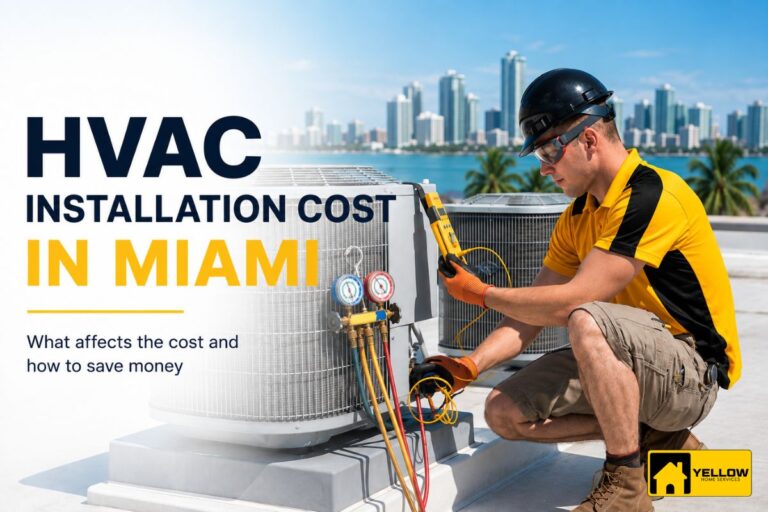
The cost of HVAC installation in Miami typically ranges from $5,000 to $12,000 or more, depending on the size of your home, the type of system you choose, its energy efficiency, and the complexity of the installation. Homes requiring new ductwork, electrical upgrades, or premium equipment generally fall at the higher end of the range. Miami’s year-round cooling demands, local permitting requirements, and skilled labor costs can also influence the total investment. Obtaining a professional in-home estimate ensures you receive accurate pricing based on your home’s specific heating and cooling needs.
Estimated HVAC Installation Costs
| System Type | Typical Installed Cost |
| Ductless Mini Split | $3,500 to $8,000 |
| Central Air Conditioner | $5,000 to $10,000 |
| Heat Pump System | $6,000 to $12,000 |
| High-Efficiency HVAC System | $8,000 to $15,000+ |
What Factors Affect HVAC Installation Cost?
Several factors determine the final cost of a new HVAC installation. Larger homes require higher-capacity equipment, while higher SEER2-rated systems generally cost more upfront but reduce long-term energy expenses. Installation costs also increase when ductwork needs replacement, electrical upgrades are required, or the project involves difficult attic or crawlspace access.
The primary cost factors include:
- Home size and cooling load
- HVAC system type
- System capacity (tonnage)
- SEER2 energy efficiency rating
- Existing ductwork condition
- Electrical upgrades
- Installation complexity
- Permit and inspection requirements
- Labor costs
- Smart thermostat or indoor air quality upgrades
A professional evaluation helps determine which combination of equipment and installation services provides the best long-term value.
Which HVAC System Is Best for Miami Homes?
The ideal HVAC system depends on your home’s layout, energy goals, and cooling requirements. Because Miami experiences long, hot, and humid summers, homeowners benefit most from systems that provide reliable cooling while effectively controlling indoor humidity.
| System | Best For |
| Central Air Conditioning | Most single-family homes with existing ductwork |
| Heat Pump | Energy-efficient year-round heating and cooling |
| Ductless Mini Split | Home additions, condos, garages, and homes without ducts |
Modern high-efficiency systems with variable-speed technology offer better temperature control, quieter operation, and lower monthly utility bills than older single-stage equipment.
What Is Included in a Professional HVAC Installation?
A complete HVAC installation includes far more than simply replacing equipment. Professional installation ensures the new system operates safely, efficiently, and in compliance with Florida building codes.
Most installations include:
- In-home system evaluation
- Equipment sizing and recommendations
- Removal and disposal of the old system
- Installation of indoor and outdoor equipment
- Refrigerant line connections
- Electrical connections
- Thermostat installation
- Permit coordination and inspections
- System testing and performance verification
- Final walkthrough and operating instructions
A properly installed HVAC system delivers better comfort, lower operating costs, and a longer equipment lifespan.
How Do I Choose the Right Size HVAC System?
Choosing the correct system size is one of the most important parts of HVAC installation. An oversized unit cycles on and off too frequently, while an undersized system struggles to keep your home comfortable and runs continuously. Professional contractors use a Manual J load calculation to evaluate factors such as:
- Home square footage
- Ceiling height
- Insulation levels
- Window size and orientation
- Occupancy
- Local Miami climate
- Air leakage
Proper sizing improves comfort, humidity control, energy efficiency, and equipment longevity while reducing unnecessary wear on the system.
Should I Repair or Replace My HVAC System?
Minor repairs are often the best solution for newer HVAC systems with isolated component failures. However, replacement usually becomes the smarter investment when repairs become frequent, energy bills continue rising, or the equipment approaches the end of its expected lifespan.
In many cases, replacement is recommended when:
- The system is 15 to 20 years old.
- Repair costs approach half the price of a new unit.
- Cooling performance has noticeably declined.
- Energy bills continue increasing.
- Replacement parts are becoming difficult to obtain.
A new high-efficiency HVAC system can improve indoor comfort, lower monthly utility costs, increase home value, and provide greater long-term reliability.
Why Should I Choose Yellow Home Services for HVAC Installation in Miami?
Yellow Home Services delivers dependable HVAC installation backed by experienced technicians, transparent communication, and quality workmanship designed for Miami homeowners.
1. Licensed & Insured Technicians: Our skilled HVAC installers complete every project safely and according to Florida building codes.
2. Customized System Recommendations: We evaluate your home’s cooling needs and recommend equipment that delivers the best comfort and efficiency.
3. Upfront Pricing: You’ll receive a detailed estimate before installation begins, with no hidden costs or unexpected surprises.
4. Professional Installation: Every system is installed, tested, and calibrated to maximize performance and long-term reliability.
5. Financing & Warranty Options: We help make HVAC replacement more affordable with financing options and manufacturer-backed warranties.
6. Trusted Local Service: As a trusted home services company serving Miami, Yellow Home Services is committed to providing reliable HVAC solutions and exceptional customer care.
How Long Does HVAC Installation Take?
Most residential HVAC installations in Miami are completed within one day, although larger homes, new ductwork, or electrical upgrades may require additional time. Before installation, clear the work area, secure pets, and ensure technicians have easy access to the indoor and outdoor equipment. While you don’t need to supervise the entire project, being available during installation allows you to review the completed system, ask questions, and receive operating instructions before the technicians leave.
Are High-Efficiency HVAC Systems Worth the Cost?
High-efficiency HVAC systems have a higher upfront cost but often provide significant long-term savings through lower energy consumption. The SEER2 (Seasonal Energy Efficiency Ratio 2) rating measures cooling efficiency, with higher ratings indicating better performance. Because Miami relies heavily on air conditioning throughout the year, investing in a higher SEER2 system can reduce monthly utility bills while improving indoor comfort, humidity control, and overall system performance.
| SEER2 Rating | Efficiency | Best For |
| 13.4-15.2 | Standard | Budget-conscious homeowners |
| 16-18 | High Efficiency | Most Miami homes |
| 19+ | Premium Efficiency | Maximum energy savings |
What Additional Costs Should I Expect?
Some homes require additional work beyond replacing the HVAC equipment. These upgrades help ensure the new system operates safely, efficiently, and according to local building codes.
Additional costs may include:
- Ductwork repair or replacement
- Electrical panel or circuit upgrades
- Smart thermostat installation
- Condensate drain improvements
- Permit and inspection fees
- Indoor air quality accessories
- Equipment relocation, if needed
A professional inspection identifies any recommended upgrades before installation begins, helping eliminate unexpected costs.
How Can I Finance a New HVAC System?
Replacing an HVAC system is a significant investment, and many homeowners choose financing to spread the cost over manageable monthly payments. Depending on the equipment and manufacturer, rebates or promotional offers may also be available for qualifying high-efficiency systems. While homeowners insurance generally covers HVAC damage caused by sudden, accidental events, it typically does not cover replacement due to age, wear, or lack of maintenance. Reviewing all available financing and incentive options can help reduce your overall investment.
How Can I Extend the Life of My New HVAC System?
Routine maintenance is the best way to maximize the lifespan and efficiency of your HVAC system. Most manufacturers recommend professional maintenance twice a year, while air filters should typically be replaced every one to three months, depending on usage and indoor air quality. Skipping maintenance, using incorrect replacement parts, or failing to register your equipment may void certain warranty protections. Consistent service helps improve performance, reduce energy costs, and minimize unexpected repairs.
What Indoor Air Quality Upgrades Should I Consider?
Miami’s humid climate makes indoor air quality an important part of HVAC performance. A whole-home dehumidifier helps reduce excess moisture, while UV air purifiers help limit bacteria and mold growth inside the system. High-efficiency air filters capture more dust, pollen, and airborne particles, creating a cleaner indoor environment.
Popular indoor air quality upgrades include:
- Whole-home dehumidifier
- UV air purification system
- High-efficiency air filters
- Media air cleaners
- Smart air quality monitors
These upgrades improve comfort while helping protect both your HVAC system and your home’s indoor air.
How Do I Compare HVAC Installation Quotes?
The lowest estimate is not always the best value. Comparing multiple quotes helps you understand the quality of equipment, installation practices, warranty coverage, and long-term operating costs before making a decision.
A complete HVAC estimate should include:
- Equipment brand and model
- System size and SEER2 rating
- Scope of installation
- Labor costs
- Permit fees
- Warranty information
- Project timeline
- Total installed price
Choosing a licensed and insured contractor with transparent pricing and detailed estimates helps ensure a quality installation that delivers lasting performance.
How Do I Maintain My HVAC System After Installation?
A professionally installed HVAC system typically lasts 15 to 20 years with regular maintenance. In Miami, salt air and year-round cooling demands can accelerate wear on outdoor equipment, making routine inspections and coil cleaning especially important. After installation, homeowners should replace air filters regularly, schedule seasonal maintenance, keep the outdoor unit free of debris, and monitor system performance to maintain efficiency and protect the manufacturer’s warranty.